


Rigid and Flexible PCB Design
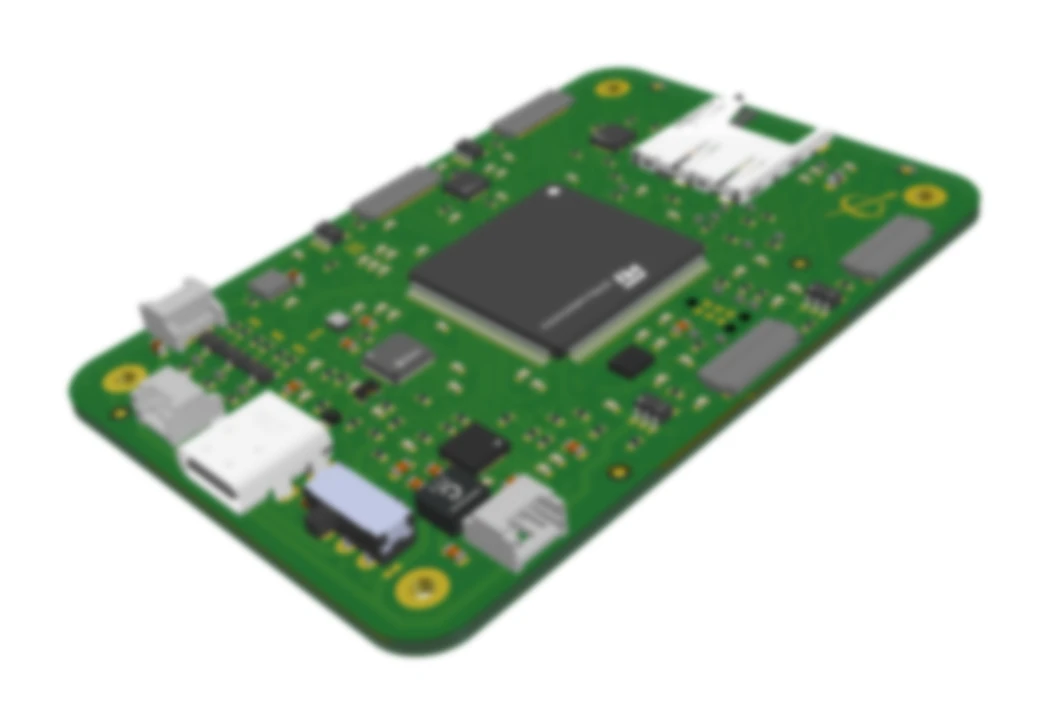
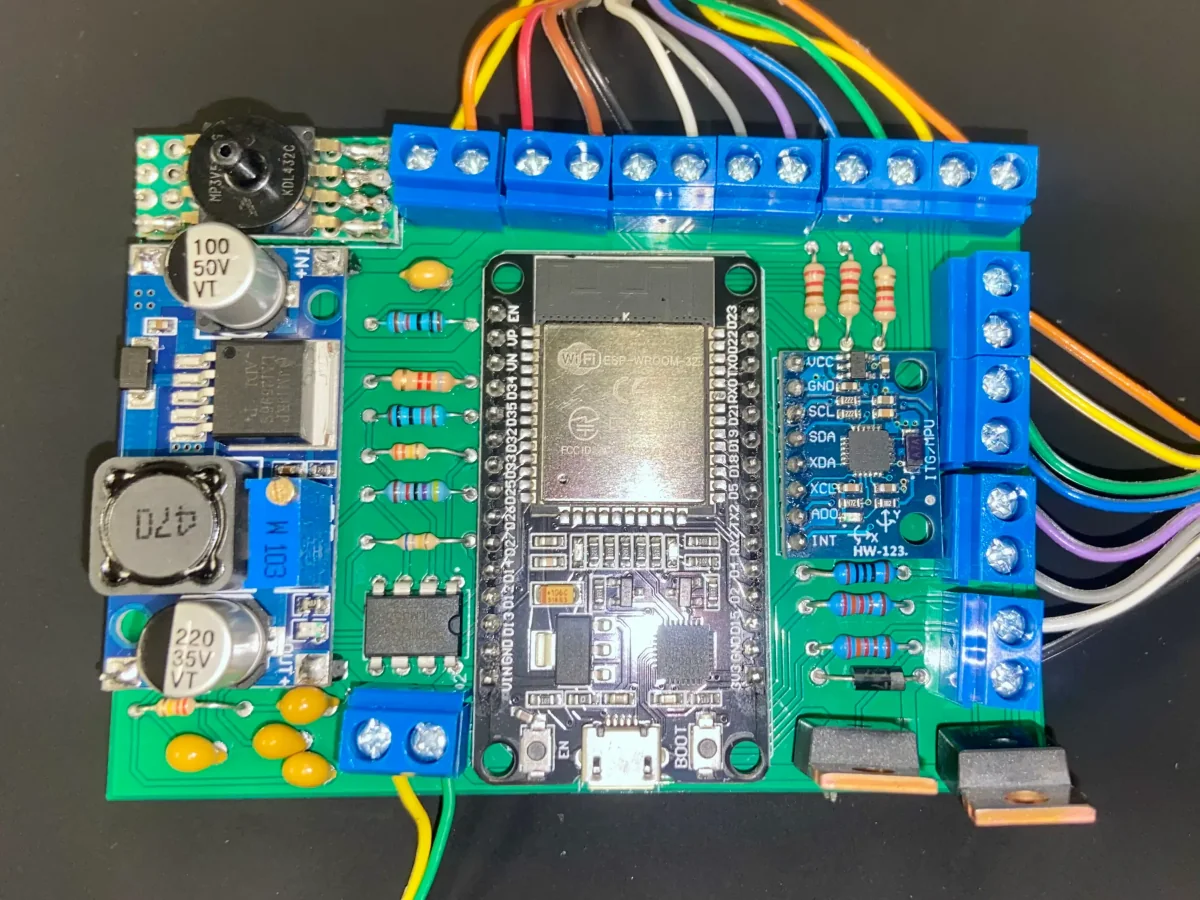
I’ve designed rigid and flexible PCBs for embedded systems using STM32, Nordic nRF, and ESP32 microcontrollers. This STM32 board is one example of my layout work. These projects aren’t ready for publication yet.
B.S. Biomedical Eng. (2025) → M.S. Electrical Eng. (2026) → Ph.D. Biomedical Eng. (Current)

Hi, I’m John. My initial area of research was orthopaedic biomechanics. I got into electrical engineering through projects I built on my own. My interests now include smart implants, tissue biomechanics, wearable sensors for continuous monitoring, and very broadly the domain of embedded system development.
I’m competitive. I enjoy chess, mountain biking, baking, hiking, and fishing.
Learn More
In Progress: LED Filament Clock, Magnetic Coil Clock, Laser Galvo V2
I’ve designed rigid and flexible PCBs for embedded systems using STM32, Nordic nRF, and ESP32 microcontrollers. This STM32 board is one example of my layout work. These projects aren’t ready for publication yet.
October 2026 – Current
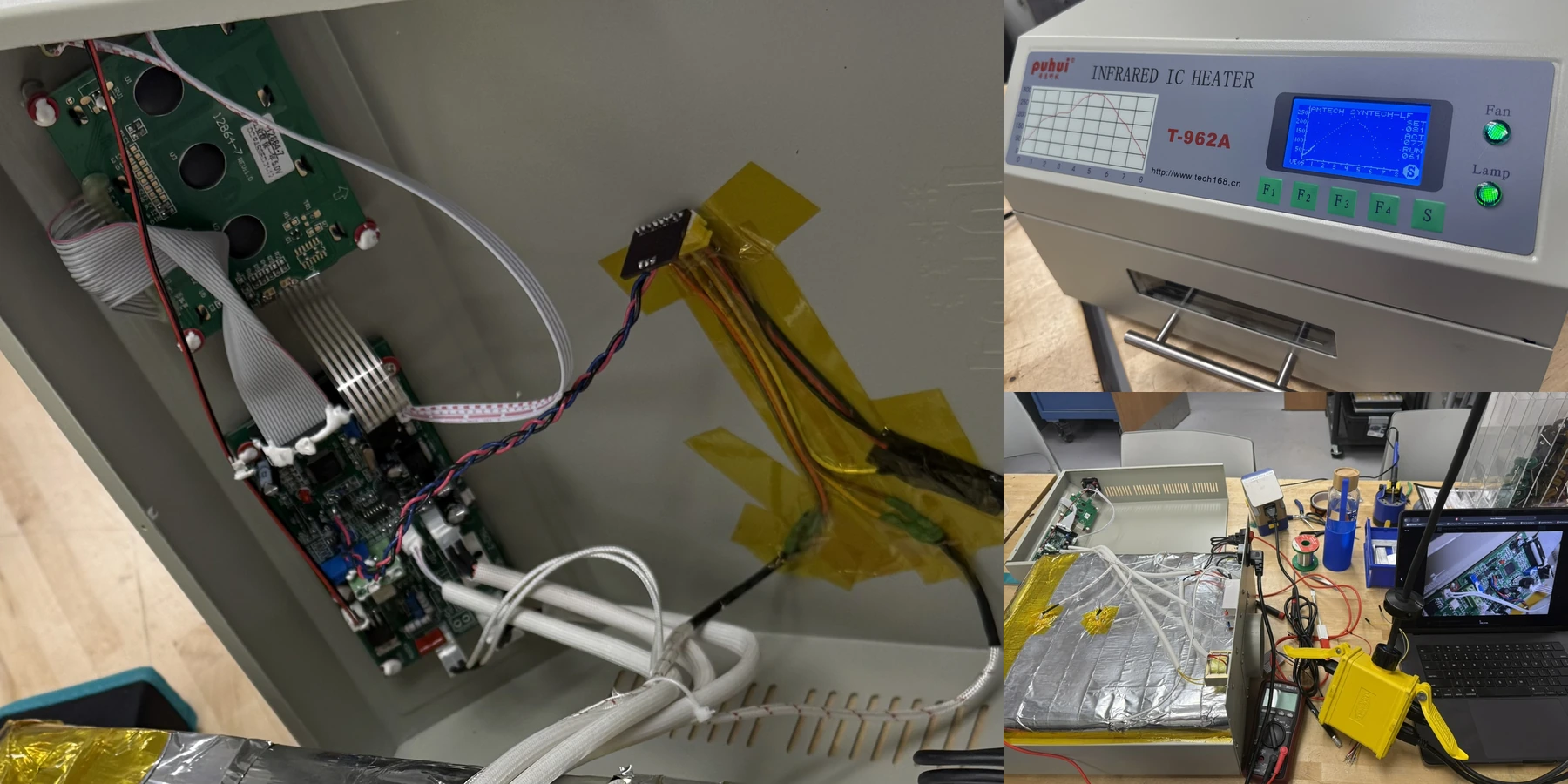
I followed Piotr Esden-Tempski’s build guide to install Unified Engineering’s v0.5.2 firmware on a T-962A. When the controller didn’t respond, I tested the serial adapter by loopback and used the documented reset sequence. I verified the flash and saw the new menu on the oven. Next, I plan to build a jig for two thermocouples to compare temperatures at the center and edge of a PCB before and after adding insulation. I’m also working on a Bluetooth serial bridge to control the oven from my Mac.

May 2026
This was my first experience designing with variable capacitors (varactors). Overall super cool applications for tuning resonant circuits. I think that one of the biggest non-idealities in this project was the use of ideal power supplies, which makes me want to learn more about practical LDO design and power systems sometime in the future.
View PDF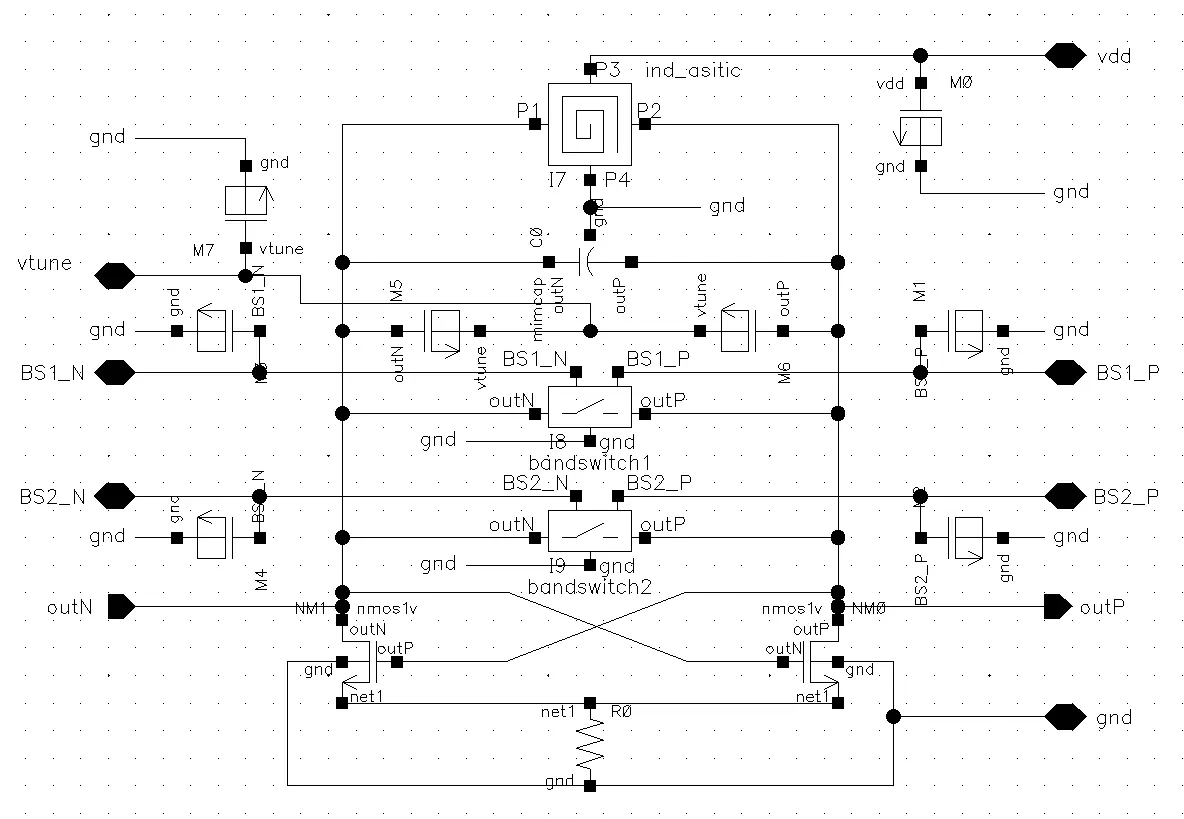

April 2026
My partner and I worked on this buoy for less than a week. The design draws on the internal mechanism of a badge reel, in which a spiral spring is used in conjunction with a reel to store/release mechanical energy. As the buoy moves up and down with the waves, the reel turns and winds the spring. The design weighs 986.7 g, is buoyant, and produces a peak voltage of approximately 7.5 V at 115 rpm. The entirely original mechanical assembly includes a buoyant structure, a reel mechanism with bearings, a 17-7 PH stainless steel spiral spring for energy storage, and a custom axial flux generator for power generation. I worked in SolidWorks, while my partner worked in ANSYS.
View PDF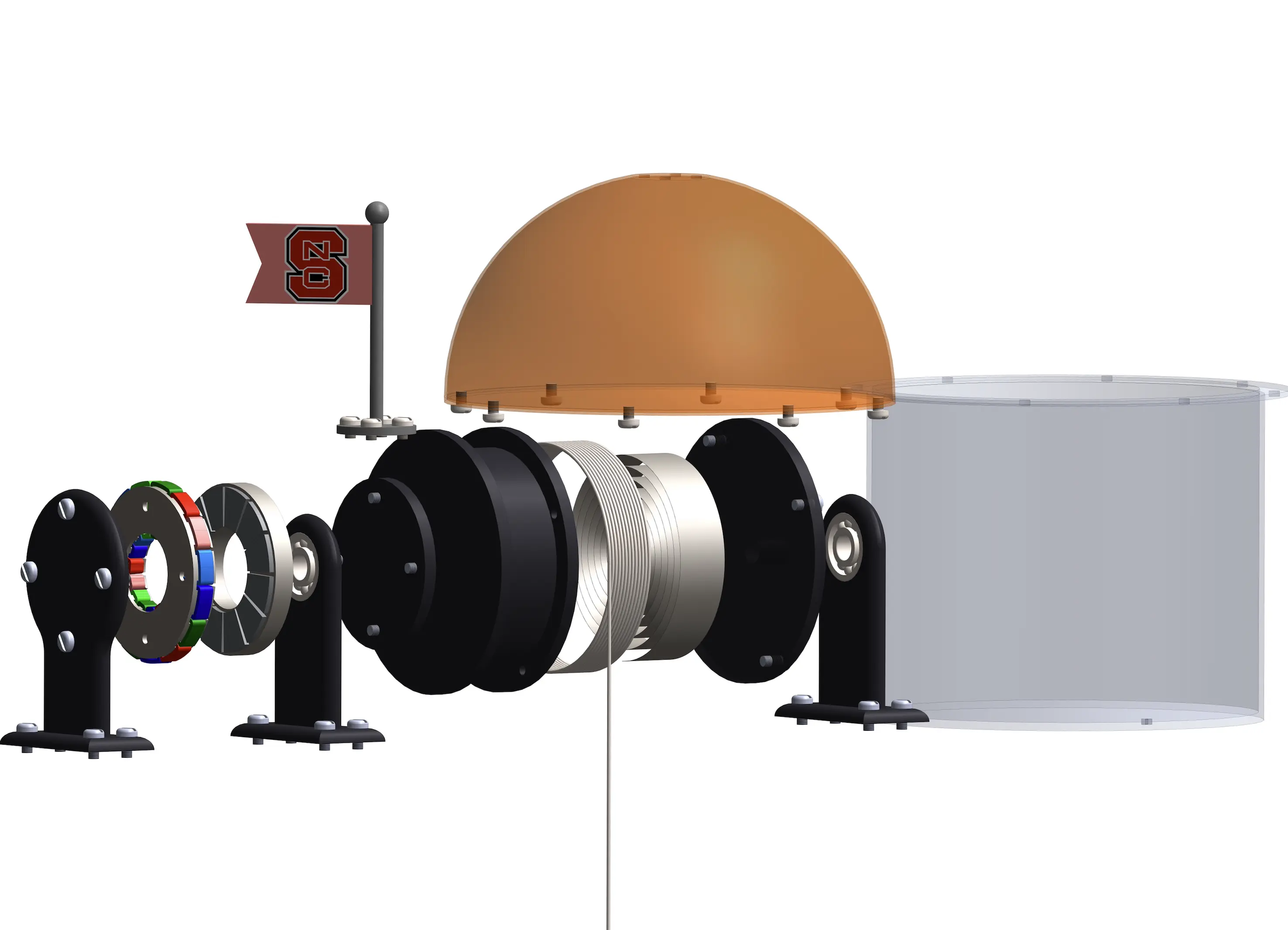
April 2026
A solo design for my IC Circuit Design course. The Source-Degenerated LNA was implemented in 45 nm CMOS Technology using the Cadence GPDK045 design kit. The design was made for the WLAN Channel 207 802.11ax (6.905 to 7.065 GHz). The LNA achieved a 2-dB bandwidth spanning from 5.73 to 7.44 GHz, in-band noise figure below 1.20dB, center-frequency gain of 18.46 dB, input-referred 1-dB compression point of -14.24 dBm, input-referred IP3 of -2.99 dBm, input/output matching <-10dB, PDC = 9.96mW, and unconditional stability across 10 MHz to 100 GHz. The design met all specified LNA performance targets. Significant cuts to the S21, S11, and S22 performance were made at the last stage of the design to hit the power consumption targets.
View PDF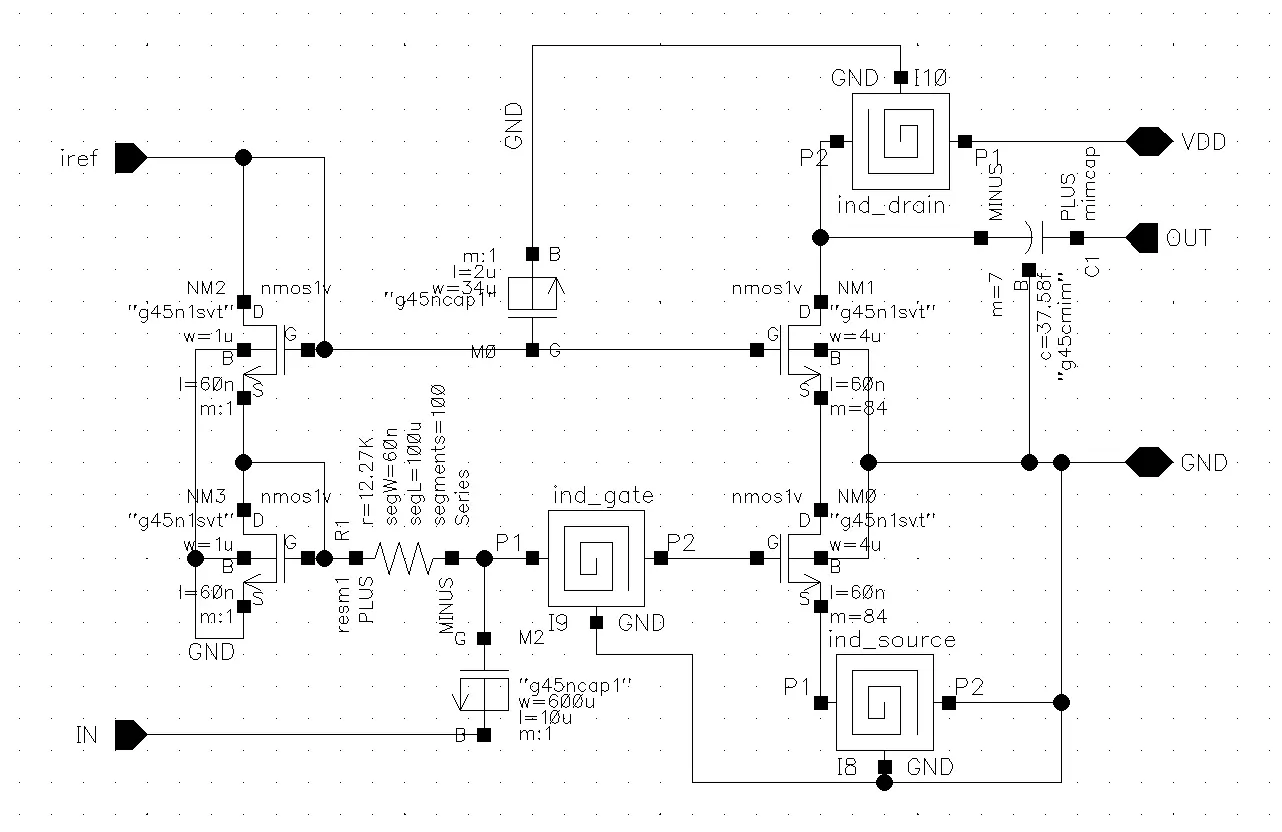
March 2026
A weekend design project. We built a 2D magnetic manipulation system that can autonomously move a small magnet ball to follow a square trajectory on a flat surface. The device includes a custom perf board PCB, 4 homemade electromagnets (steel cores and mag wire), and a custom platform (acrlic sheets and screws). The electronics utilize a 555 timer, CD4022 Johnson Counter, and N-MOSFETS with push-pull BJT's to drive the electromagnets. It would be fun to apply this concept to a clock in the future.
View PDF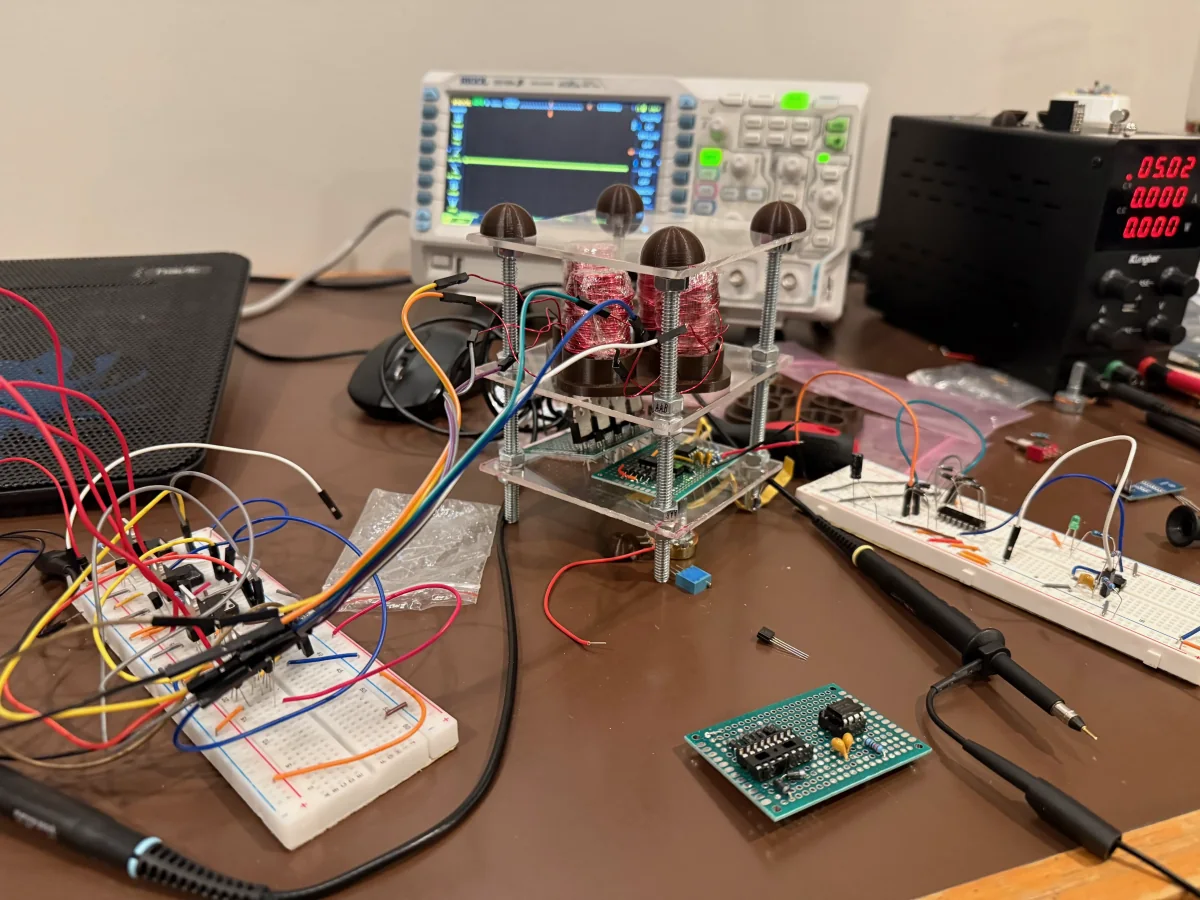
December 2025
This was my partner and I's first project using Cadence and my most humbling design experience. The goal was to design the fully differential folded cascode OTA using baby op-amps, but we ran out of time troubleshooting the circuit before the deadline and ended up with an incomplete/failed design of a single-ended folded cascode OTA and another simple OTA. Even though we fell short of perfect results, it was an amazing learning experience. I have never worked on a project with so many tightly coupled design variables in what felt like I was constantly chasing my tail. I have extreme respect for analog and RF design engineers.
View PDF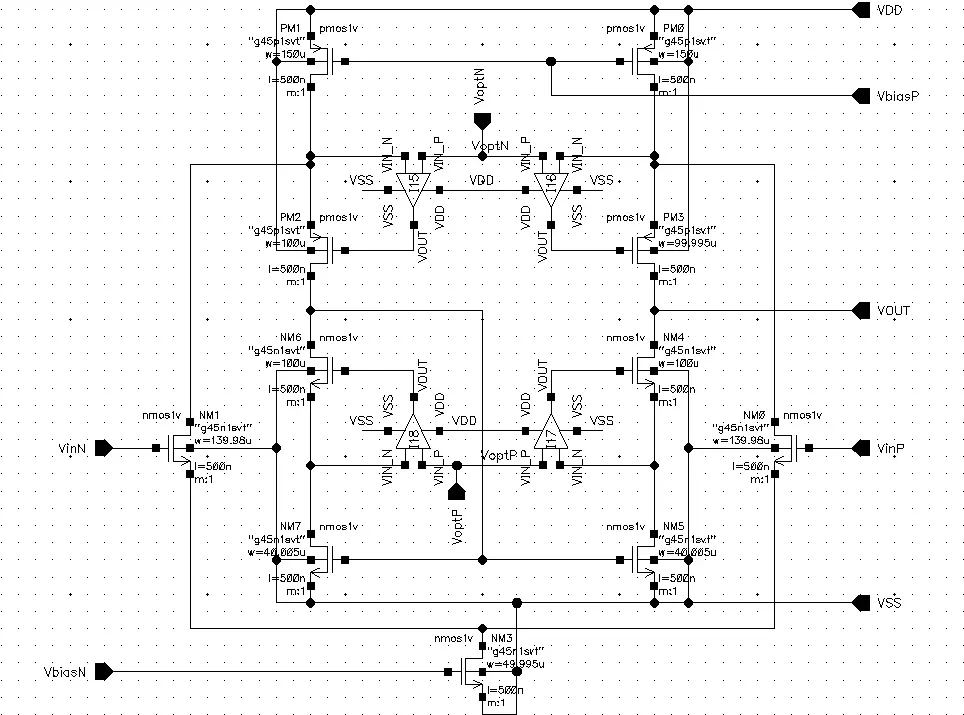
May 2025
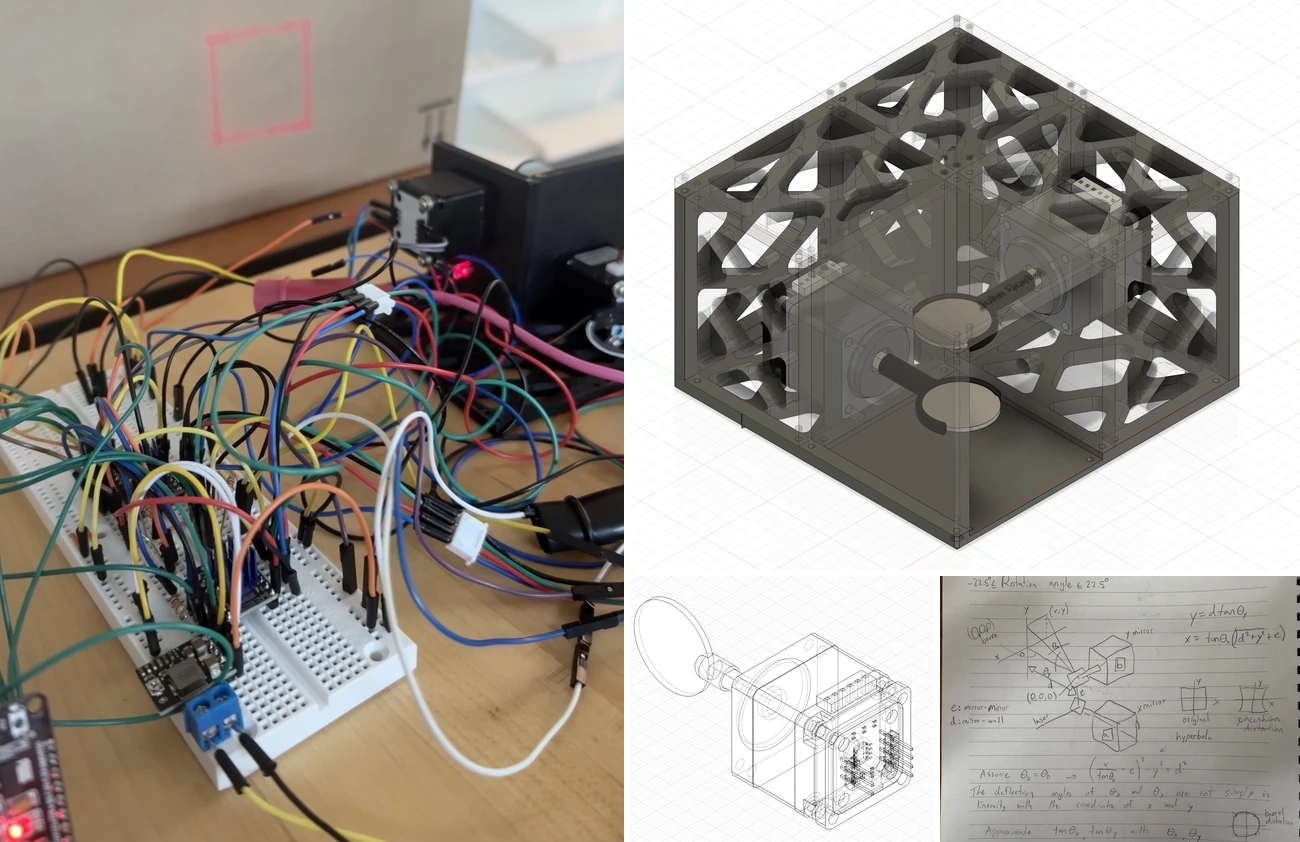
For this personal project, I designed and built a proof-of-concept laser galvanometer. An ESP32 converts each (x, y) point into angles for two stepper-driven mirrors that steer the spot from a laser diode across a plane. TMC2209 drivers run the 1.8° steppers at 1/16 step (0.1125° per command), with internal interpolation to 1/256 step. I built a rotary encoder around an AS5600 magnetic sensor for each shaft to calibrate the mirrors at startup and test closed-loop position control. V2 will be more compact and modular, with a custom PCB. I’ll open-source its code and hardware. Once I refine the controls and software library, I’d like to try engraving with a slightly more powerful laser.


May 2025
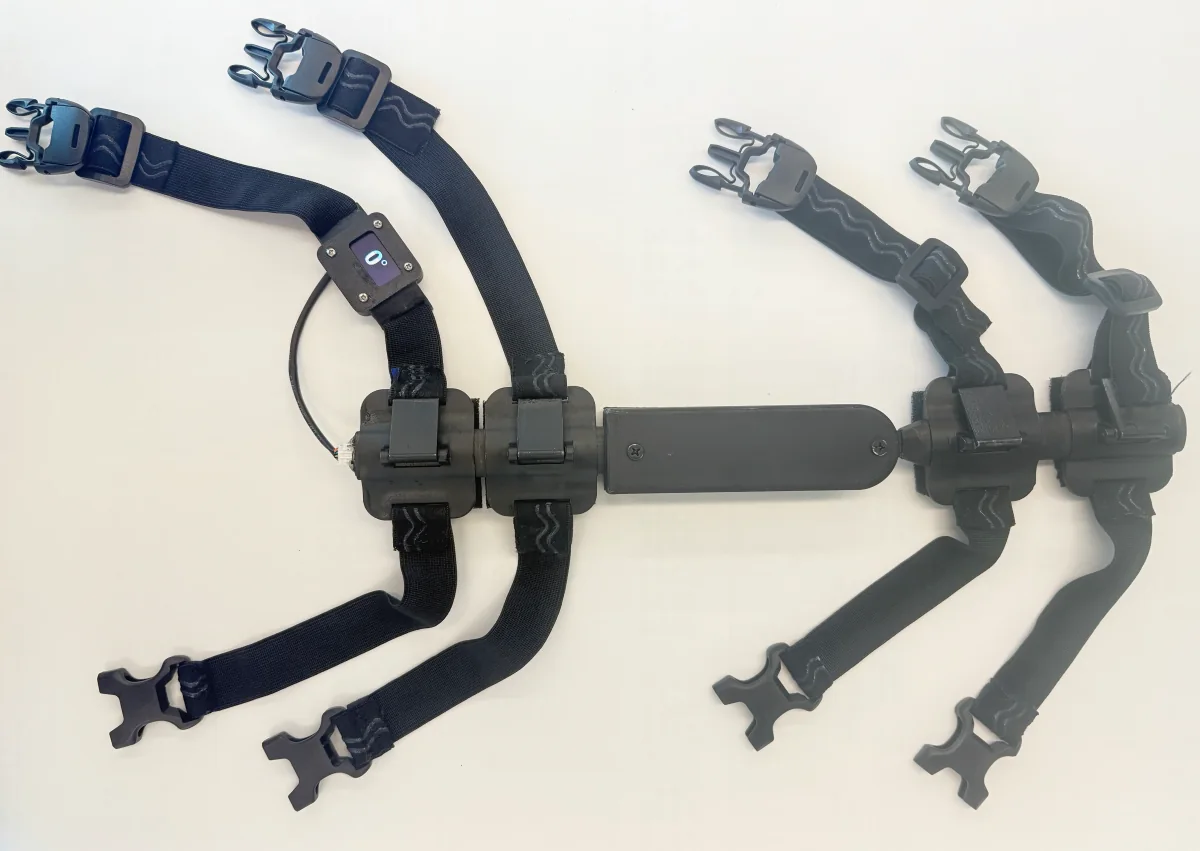
Patients undergoing total knee replacement surgery often lack at-home resources to monitor their knee joint angle and range of motion during physical therapy. This electronic and wearable goniometer displays the joint angle in real time on a screen with Bluetooth compatibility. My role in this project involved all electronics, including designing a fully custom battery charging and regulation circuit, USB-C 3.1 communication, power delivery triggering, latching circuits for power and angle direction mode switching, custom ESP32 microcontroller circuitry, etc.
April 2025
Micro- and nanoplastics are widespread contaminants found in human tissue and ecosystems, with unknown but potentially harmful effects. This work proposes an original and theoretical microfluidic device that separates and detects microplastics from oil and nanoplastics using acoustophoresis and electrochemical impedance spectroscopy. The device is built with standard microfabrication methods such as photolithography, electron beam evaporation, plasma bonding, etc.
View PDF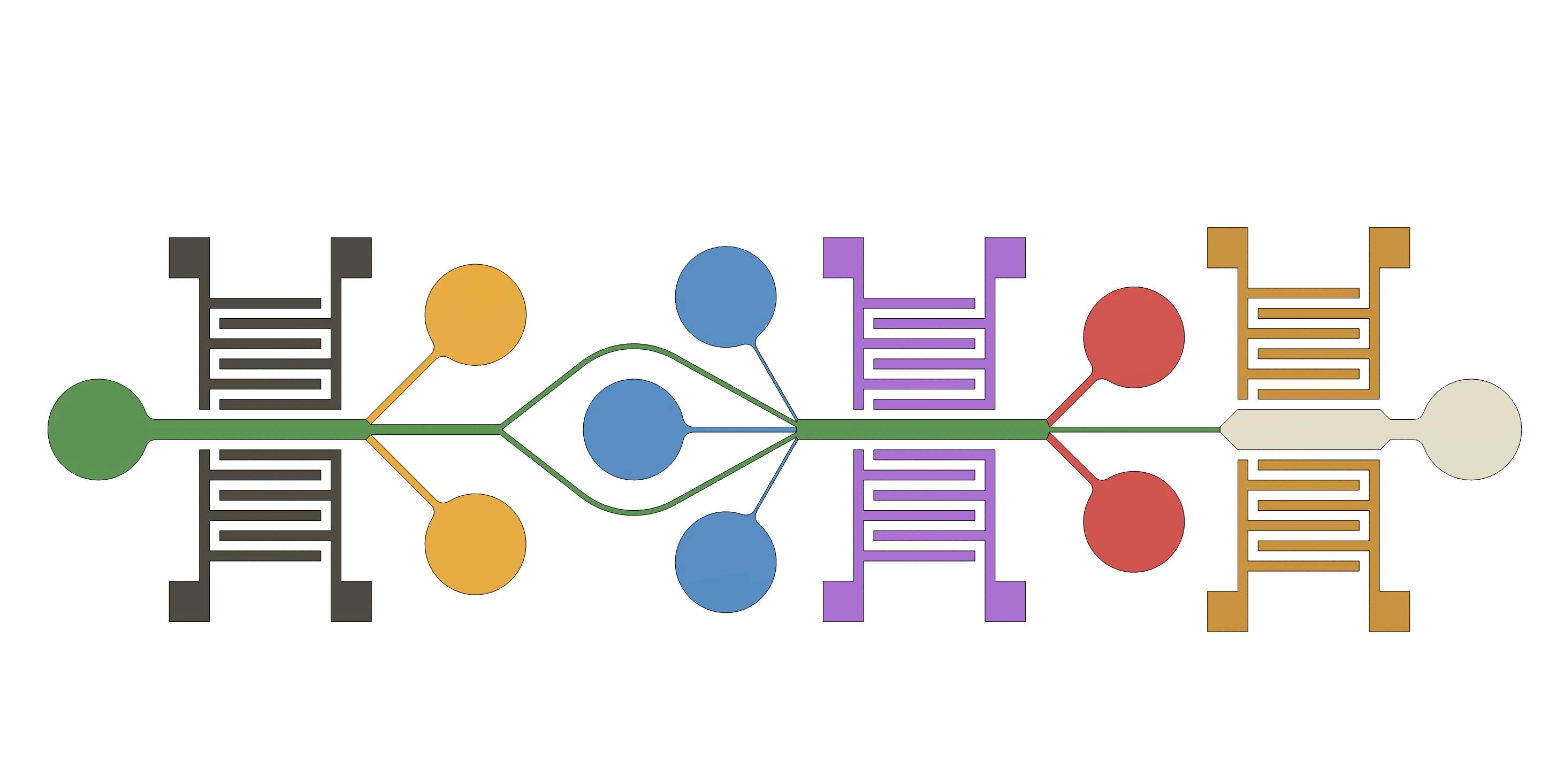


January 2025
I created this portfolio as a place to show my work and creativity. I hope to continually refine its design as I progress through my career. Building a personal portfolio has been on the back burner for the latter half of undergrad. I have no formal experience with front-end web development and wanted to challenge myself while having fun with this project during break (Winter 2025).
Visit Blog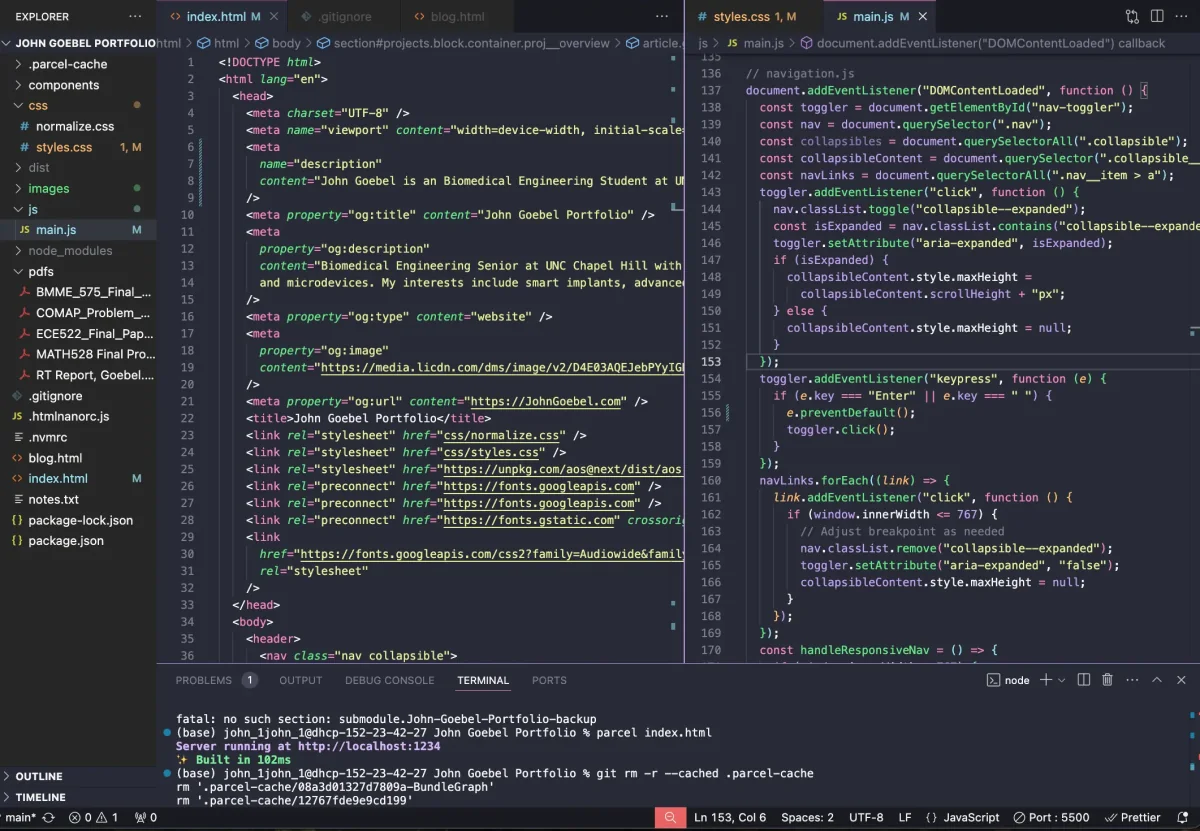

December 2025
This paper explores the application of Wasserstein-Generative Adversarial Networks (WGAN) for denoising 3D MRI scans, utilizing residual autoencoders and a custom loss function to enhance structural similarity and reduce oversmoothing. Compared to the state-of-the-art BM3D method, WGAN models show superior SSIM performance at higher noise levels, preserving structural details in MRI imaging.
View PDF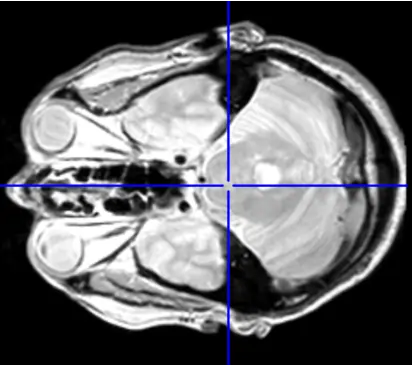

December 2024
Voted Best Project in NC State Graduate ECE Course by students. The tourniquet system dynamically responds to user heart rate and pressure fluctuations along the tourniquet membrane, aiming to reduce the the risk of nerve injury. The device integrates a microcontroller, pulse oximeter, accelerometers, pressure transducer, pneumatic pump, and solenoid valves to ensure precise pressure regulation.
View PDF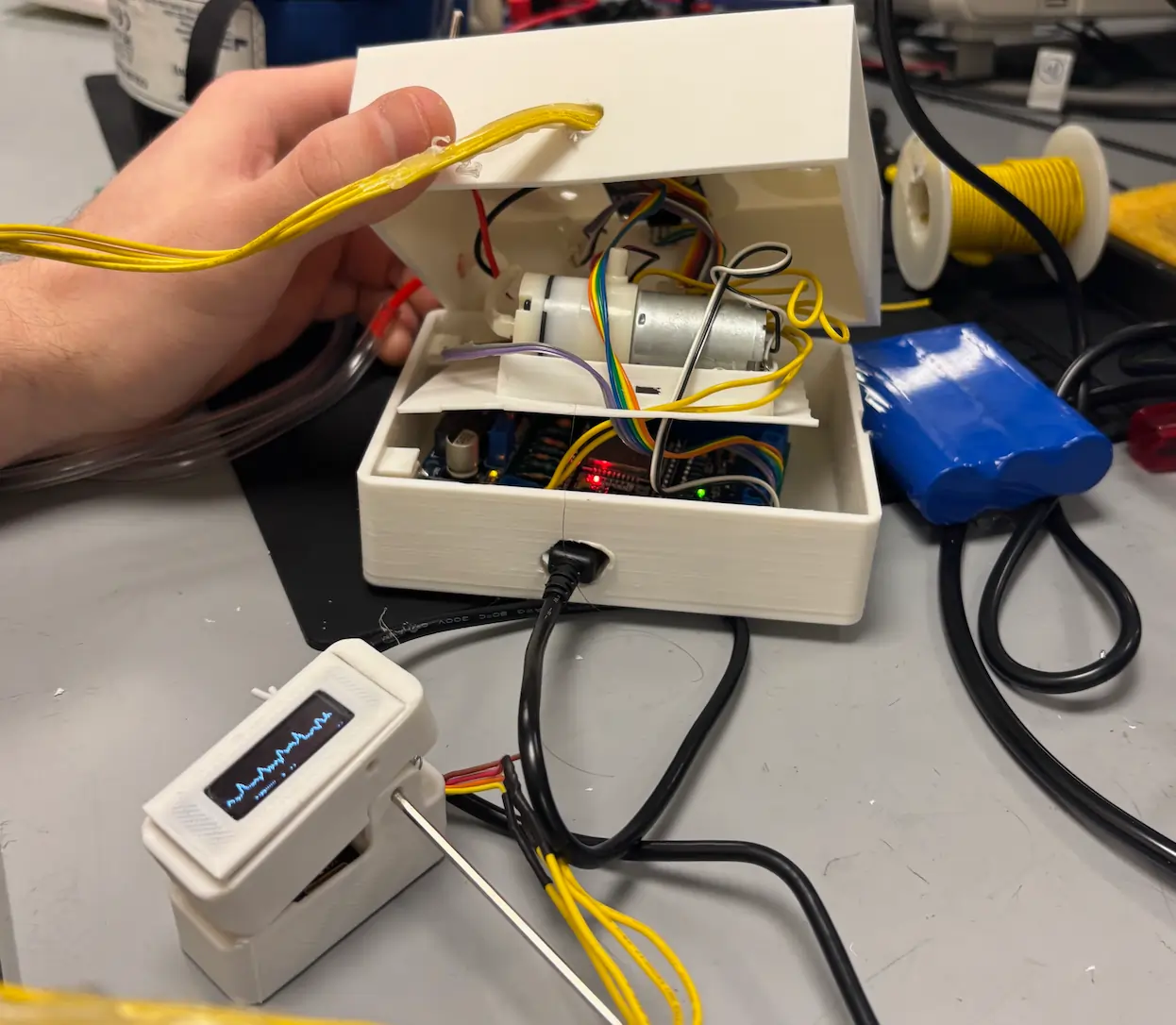

December 2022
This review explores the roles of the Fourier Transforms (FT) and Convolution in image processing. These mathematical operations are essential for transitioning between spatial and frequency domains, facilitating widely used methods in image analysis and filtering. The theoretical foundations of FT and Convolution are presented with examples to demonstrate their use. FT's may be used for deblurring and noise reduction, particularly in removing motion blur from images underneath the presence of noise.
View PDF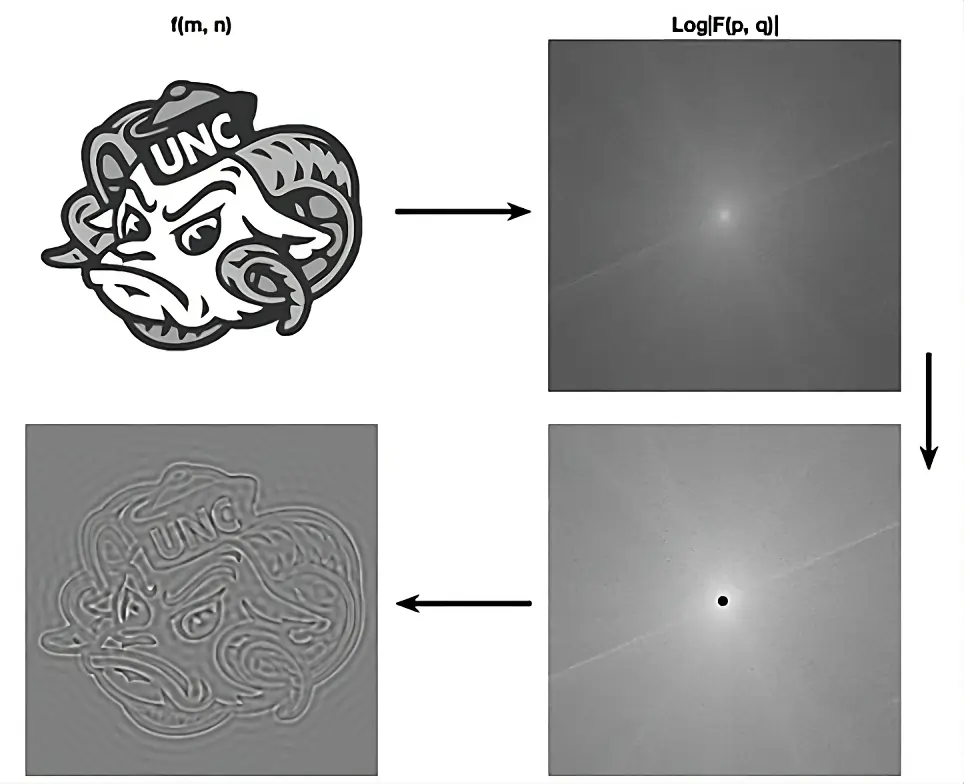
May 2023
This project investigates reaction times (RTs) across audio, visual, and tactile stimuli, utilizing a custom-built Arduino device for measurement. The methodology involved collecting 100 RT measurements for each stimulus type from myself, comparing these with online tests and a vibration-phone-tactile test to assess variance. Results revealed mean RTs of 190.3 ms (audio), 221.1 ms (visual), and 200.5 ms (tactile), with online and vibration-phone-tactile tests showing generally higher reaction times.
View PDF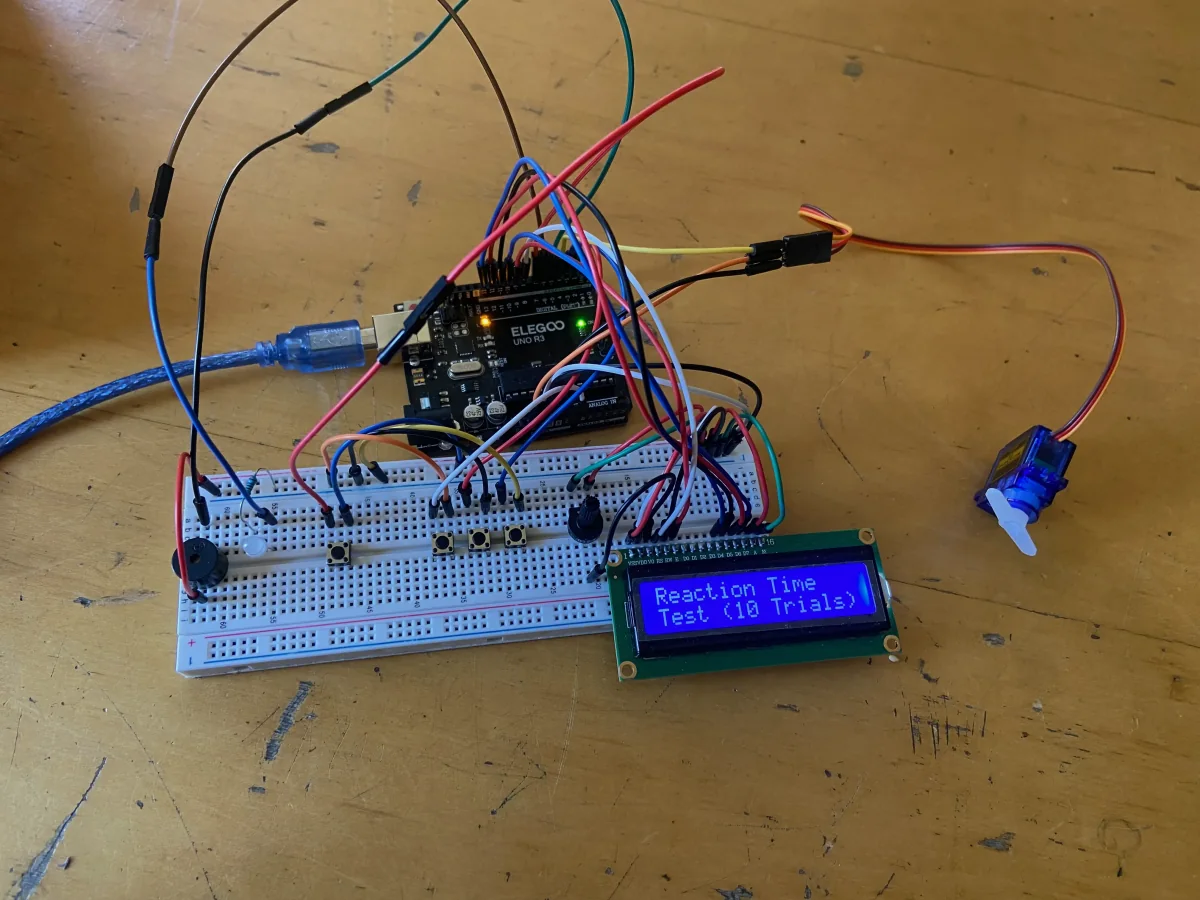
April 2022
This paper, from a competition freshman year, explores the application of Autoregressive Integrated Moving Average (ARIMA), linear regression, and polynomial regression models to predict prices in volatile markets like gold and bitcoin. Our aim was to maximize returns through strategic trading actions. By leveraging standard deviation channels and exponential ratios as trading indicators, the model identifies optimal buy/sell points within a seven-day window, considering transaction costs. The results demonstrate that the ARIMA model outperforms the market, achieving a total return of $610,000—significantly exceeding the $72,000 market return without trading actions.
View PDF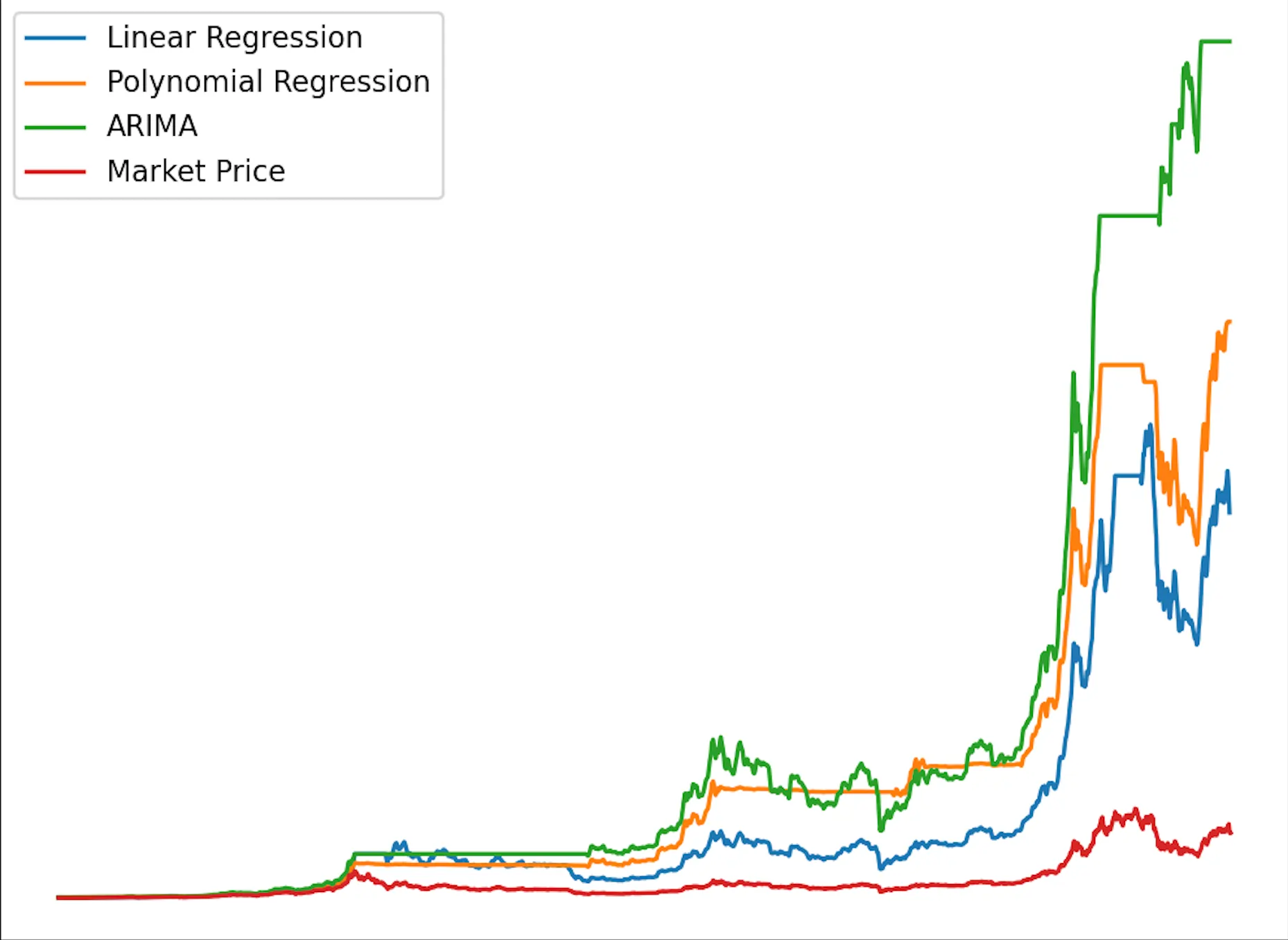
Academic and Industry Experience
August 2025 – Current
Electrical/Biomedical Graduate Research Assistant

May 2025 – July 2025
Biomechanical Research Engineer Intern
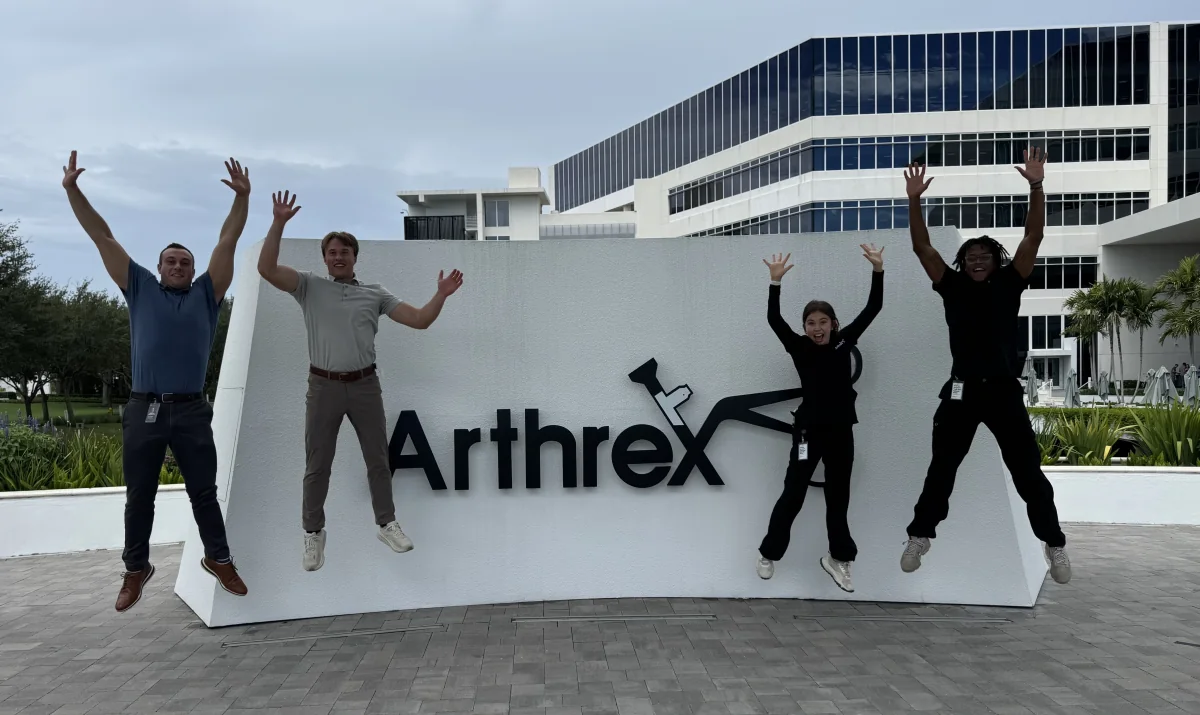
May 2024 – December 2024
Research and Development Engineering Intern working on spinal treatments.
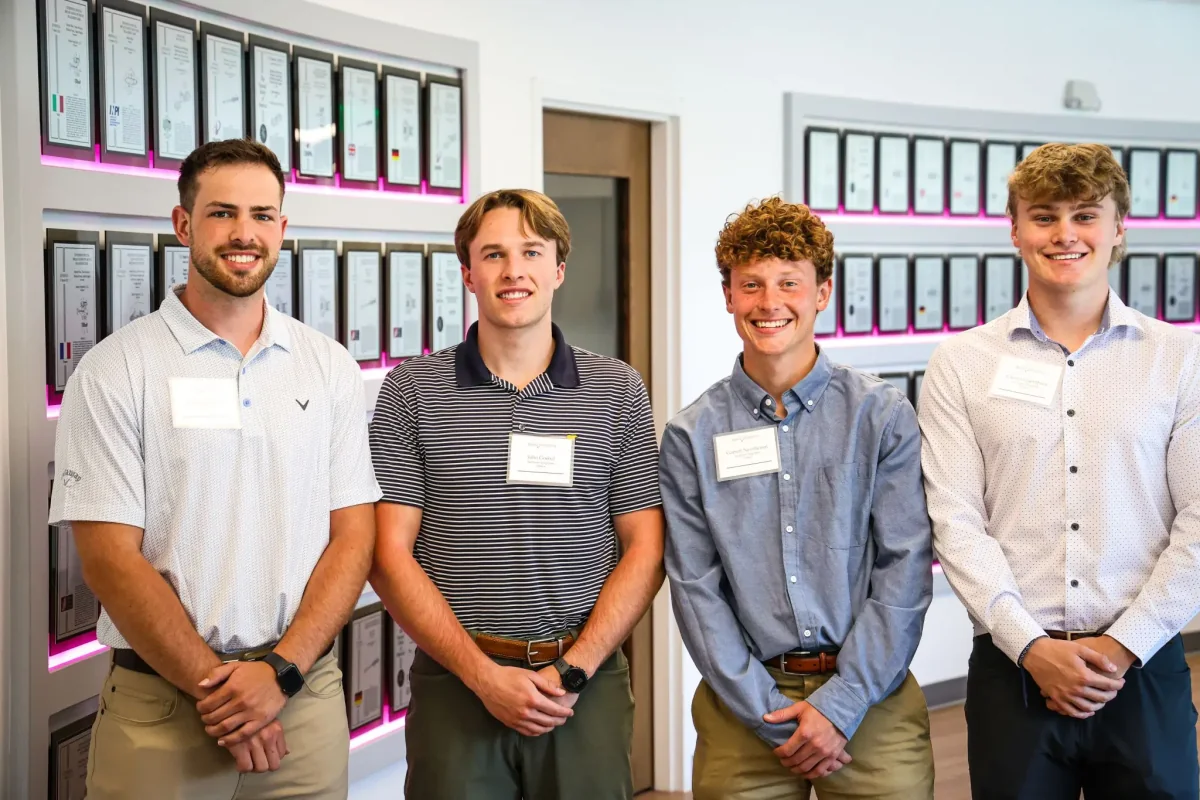
August 2024 – December 2024
Led two lab sections per week for a total of 30+ students, focusing on circuit analysis, binary math, and digital circuit design. Graded homework and lab reports while providing electronics guidance during lab.
Technical Skills and Interests
Circuit Design, Embedded Systems, Signal Processing, Soldering, Printable Circuit Board Design (Fusion-Electronics), Surface-Mount.
Microcontrollers: Python, C++; Physical Modeling: Julia, MATLAB, Mathematica; Front-End: HTML, CSS, JavaScript.
SolidWorks, Autodesk Fusion 360, Onshape.
Laser Cutting, CNC Machining (PCB), Load Frame Testing.
LabVIEW, LabChart, ANSYS FEA.
Cell Culture, CRISPR, BLAST.